



Somerset businesses face increasing competition in today's marketplace, making professional brand design more critical than ever. Brand design encompasses the visual and strategic elements that define how a business presents itself to customers, from logos and colour schemes to typography and overall brand identity. Local companies across Somerset are discovering that thoughtful brand design directly influences customer perception and business growth.
The Somerset business landscape includes diverse sectors, from traditional agriculture and tourism to modern technology and creative industries. Each requires a tailored approach to brand design that reflects both the company's unique value proposition and the region's distinctive character. Professional brand designers in Somerset understand these local nuances whilst applying proven design principles.
Effective brand design goes beyond creating an attractive logo. It establishes a cohesive visual language that communicates across all customer touchpoints, builds recognition, and differentiates a business from its competitors. Understanding the components, process, and strategic applications of brand design helps Somerset businesses make informed decisions about their visual identity.
Brand design encompasses the visual and strategic elements that distinguish a business in its market. It combines aesthetics with purpose to create a cohesive identity that communicates values and builds recognition.
Brand design relies on several fundamental components that work together to establish identity. The logo serves as the primary visual marker, often the first point of contact between a business and its audience. Colour schemes create emotional associations and ensure consistency across all materials.
Typography choices influence readability and convey personality, whether modern, traditional, or playful. Imagery styles and graphic elements support the overall aesthetic whilst maintaining coherence. The term "brand" originates from the Old Norse word "brandr," meaning to burn an identifying mark onto livestock.
Physical and digital applications extend the brand across stationery, packaging, websites, and marketing materials. Each element must align with the others to create a unified system. Pattern libraries and icon sets provide additional layers of visual distinction that separate one brand from another in competitive markets.
Visual identity translates abstract business values into tangible design choices that audiences can recognise and remember. It establishes immediate recognition through consistent application of design elements across every customer touchpoint.
Strong visual identity builds trust through professional presentation and reliability. Customers develop familiarity with repeated exposure to cohesive branding, which influences purchasing decisions and loyalty. The visual system must remain flexible enough to adapt to various contexts whilst maintaining its core characteristics.
Effective visual identity differentiates businesses from competitors operating in the same sector. It communicates quality standards, price positioning, and brand personality without requiring explanation. Design choices signal whether a brand targets luxury, budget-conscious, or middle-market consumers through sophisticated or approachable aesthetics.
Strategic positioning determines how a brand occupies space in the market relative to competitors. Design choices reflect and reinforce this positioning through deliberate aesthetic decisions that appeal to specific audiences.
Market research informs positioning by identifying gaps, opportunities, and audience preferences. A brand targeting premium customers requires refined, sophisticated design elements. Conversely, brands emphasising accessibility benefit from approachable, friendly visual languages.
Positioning extends beyond aesthetics to encompass messaging, tone, and the overall experience. Design systems must support the intended market position consistently across all channels. Successful positioning creates clear differentiation that makes the brand the obvious choice for its target audience within its category.
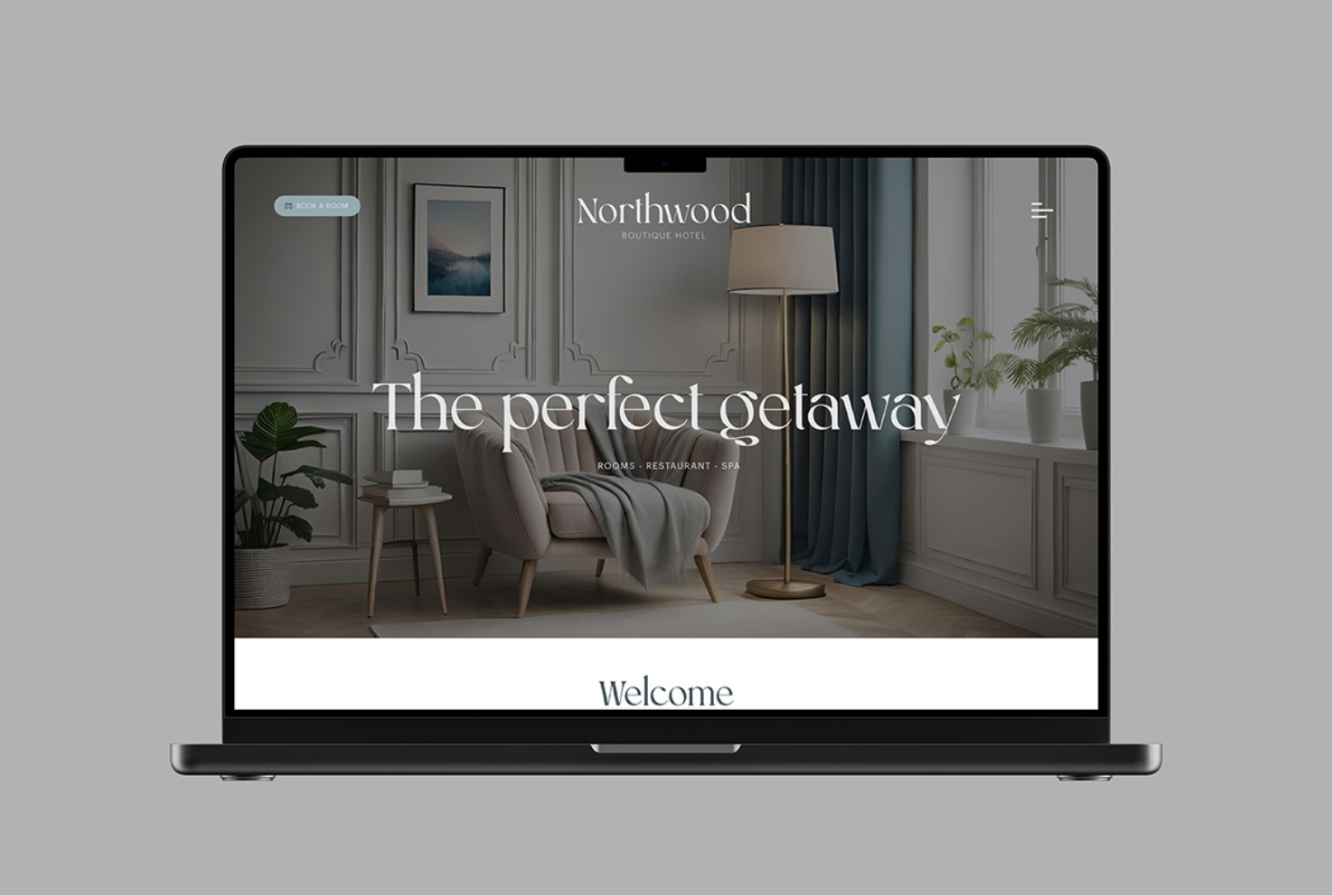
Professional brand design serves as the foundation for business success in Somerset's diverse economy, directly influencing customer perception, market positioning, and long-term profitability. Strategic visual identity creates measurable advantages in customer acquisition and retention.
Somerset businesses operate within tight-knit communities where reputation and familiarity drive purchasing decisions. A professionally designed brand signals legitimacy and commitment to quality, which resonates particularly strongly with local customers who value established, trustworthy enterprises.
Consistent brand design across all touchpoints—from shopfronts to digital platforms—creates immediate recognition. When customers repeatedly encounter cohesive visual elements, they develop familiarity that translates into confidence. This recognition becomes especially valuable in Somerset's market towns and rural areas where word-of-mouth recommendations carry significant weight.
Local businesses benefit from brand design that reflects regional values and aesthetics. Elements that acknowledge Somerset's character whilst maintaining modern appeal help companies bridge tradition with innovation, establishing credibility amongst both established residents and newcomers.
Somerset hosts diverse industries including agriculture, tourism, manufacturing, and creative sectors, each presenting unique competitive challenges. Distinctive brand design differentiates businesses within crowded marketplaces where generic presentation leads to invisibility.
Key competitive advantages include:
Tourism-dependent businesses particularly benefit from memorable branding that leaves lasting impressions on visitors. A striking logo or cohesive visual identity transforms one-time customers into repeat visitors who actively seek out specific brands during return trips.
Strong brand design creates emotional connections that transcend transactional relationships. Customers who identify with a brand's visual identity and values become advocates who actively promote businesses within their networks.
Consistent brand presentation across multiple interactions builds familiarity that reduces perceived risk in purchasing decisions. When customers recognise and trust visual cues, they require less convincing and demonstrate higher lifetime value through repeat purchases.
Somerset businesses with refined brand identities command customer loyalty through perceived quality and reliability. This loyalty proves particularly valuable during economic uncertainty, as established brand relationships withstand competitive pricing pressures. Investment in professional brand design yields compounding returns as loyal customers provide stable revenue streams and organic marketing through recommendations.

A successful brand design requires three foundational elements that work together to create recognition and consistency. The visual identity, typographic choices, and documented standards form the backbone of how a brand presents itself across all touchpoints.
The logo serves as the primary visual identifier for any business. It must be distinctive, memorable, and functional across various applications from business cards to building signage.
An effective logo works in multiple formats and sizes. It remains legible when scaled down for mobile screens and maintains impact when enlarged for promotional materials. Simple designs typically perform better than complex ones because they reproduce clearly across different media.
The logo should reflect the company's values and industry positioning. A law firm requires different visual treatment than a children's entertainment business. Colour psychology, shape selection, and style all contribute to the message the logo communicates to its audience.
Multiple variations of the logo ensure flexibility in application. These typically include:
Typography choices directly affect readability and brand perception. Primary and secondary typefaces create hierarchy in communications whilst maintaining visual consistency across materials.
The selected fonts must be available across different platforms and licensing requirements. Web-safe fonts or properly licensed typefaces prevent substitution issues that damage brand consistency. Pairing complementary fonts requires balancing decorative heading fonts with readable body text options.
Colour schemes establish immediate visual recognition. A defined palette typically includes two to four primary colours supplemented by accent colours for specific uses. Each colour requires specification in multiple formats:
| Format | Usage |
|---|---|
| HEX | Digital applications and websites |
| RGB | Screen-based media |
| CMYK | Print materials |
| Pantone | Specialty printing |
Brand guidelines document how all visual elements combine and apply across different contexts. These standards ensure consistent implementation whether materials are produced internally or by external suppliers.
The guidelines specify logo placement, minimum sizes, clear space requirements, and prohibited uses. They define which colour combinations are acceptable and how typography applies to different document types.
Comprehensive guidelines reduce decision-making time and prevent inconsistent applications that weaken brand recognition. They typically include examples of correct and incorrect usage, template specifications, and contact information for obtaining approved assets.
Somerset brand design agencies follow a structured approach that balances creative vision with strategic planning. The process typically unfolds through distinct phases that ensure the final brand identity aligns with business objectives and resonates with target audiences.
The initial consultation establishes the foundation for the entire brand design project. Somerset designers meet with clients to understand their business goals, target market, and competitive position. This phase involves detailed discussions about company values, vision, and the message the brand needs to communicate.
Designers gather essential information through questionnaires and interviews with key stakeholders. They explore existing brand assets, if any, and identify what elements should be retained or reimagined. The discovery phase also clarifies practical requirements such as budget, timeline, and specific deliverables needed.
Many Somerset studios use this stage to assess the client's industry landscape and identify unique selling points. They document brand attributes, preferred design styles, and any constraints that might influence the creative direction. This information forms a creative brief that guides subsequent design work.
Research forms the backbone of effective brand design in Somerset. Designers analyse competitors' visual identities to identify market trends and opportunities for differentiation. This process reveals what works within the industry and where gaps exist that the client can exploit.
The research phase examines successful brands both within and outside the client's sector. Designers study colour psychology, typography trends, and visual styles that appeal to the target demographic. They also investigate cultural and regional considerations that might affect brand perception in Somerset and beyond.
Somerset designers compile their findings into mood boards and research presentations. These materials help clients visualise potential directions whilst ensuring the proposed brand identity stands apart from competitors.
Design development begins with initial concepts that translate research insights into visual form. Somerset designers typically present multiple logo options, colour palettes, and typography choices for client review. Each concept includes rationale explaining how the design elements support the brand strategy.
The refinement stage involves collaborative feedback sessions where clients provide input on presented designs. Designers iterate based on this feedback, adjusting colours, shapes, and layouts whilst maintaining strategic alignment. This back-and-forth process continues until the design achieves the desired balance of aesthetic appeal and functional effectiveness.
Final deliverables often include comprehensive brand guidelines that document logo usage, colour specifications, and typography rules. Somerset studios also provide various file formats suitable for different applications, from digital platforms to printed materials.
Selecting the right brand designer requires careful evaluation of their skills, previous work, and reputation within the local market. These three factors provide the clearest indication of whether a designer can deliver results aligned with specific business objectives.
A competent brand designer possesses strong visual communication skills and understands how to translate business values into cohesive design systems. They should demonstrate proficiency in typography, colour theory, and layout principles whilst maintaining awareness of current design trends without being enslaved to them.
Technical expertise in industry-standard software is non-negotiable. Designers working in Somerset typically use Adobe Creative Suite or similar professional tools to create logos, packaging, and digital assets that work across multiple platforms.
Strategic thinking separates adequate designers from exceptional ones. The best practitioners ask probing questions about target audiences, competitor positioning, and business goals before sketching a single concept. They approach branding as a problem-solving exercise rather than purely aesthetic decoration.
Communication skills matter as much as creative ability. Designers must articulate their reasoning behind design choices and remain receptive to feedback throughout the project lifecycle. Local Somerset designers often bring the advantage of face-to-face meetings and stronger working relationships.
A portfolio reveals more than visual style—it demonstrates range, consistency, and the ability to serve different industries. Look for projects that resemble your sector or business type, noting how the designer adapts their approach to varied client needs.
Quality trumps quantity. Three outstanding case studies carry more weight than thirty mediocre examples. Each portfolio piece should show clear before-and-after scenarios or explain the challenge the designer addressed.
Pay attention to the following elements when reviewing portfolios:
Somerset-based designers often showcase work for local businesses, which provides insight into their understanding of regional markets and communities.
Testimonials offer evidence of a designer's reliability, professionalism, and ability to meet deadlines. Genuine reviews mention specific aspects of the working relationship rather than vague praise.
Contact references directly when possible. Former clients can discuss aspects rarely covered in written testimonials, such as how the designer handles revisions, manages budgets, or responds to urgent requests. They may also reveal whether the finished brand performed as expected in real-world applications.
Look for patterns across multiple testimonials. Repeated mentions of particular strengths—or weaknesses—provide more reliable information than a single glowing review. Independent review platforms offer less curated perspectives than testimonials featured on a designer's own website.
Somerset's design community is relatively close-knit. Designers with established reputations often have verifiable work with recognised local businesses, providing additional confidence in their capabilities.
Somerset's distinct character demands brand design that reflects its rich heritage and contemporary business landscape. Successful brands in the region balance traditional elements with modern aesthetics whilst addressing sector-specific needs and sustainable practices.
Somerset's heritage spans Celtic traditions, medieval architecture, and agricultural history that can inform authentic brand design. The county's iconic landmarks—from Glastonbury Tor to the Somerset Levels—offer visual motifs that resonate with local audiences whilst creating distinctive brand identities.
Design agencies working in Somerset often draw inspiration from the region's natural landscapes, including the rolling Quantock Hills and coastal vistas. These elements translate into colour palettes featuring earthy greens, deep blues, and warm ochres that reflect the countryside. Typography choices might echo historical architectural features, such as the curves found in Bath stone buildings or the geometric patterns in medieval tiles.
Key heritage elements for brand design:
Brands targeting local markets benefit from subtle nods to Somerset's identity without appearing clichéd or overly rustic. This approach builds trust with residents who value their regional identity whilst maintaining relevance for broader audiences.
Somerset's economy centres on agriculture, food production, tourism, and increasingly, creative industries. Brand design must reflect the specific requirements of these sectors to communicate effectively with target audiences.
Agricultural and food businesses require branding that conveys quality, provenance, and trustworthiness. This often involves clean, straightforward design that emphasises local sourcing and traditional production methods. Cider producers, cheese makers, and farm shops particularly benefit from brands that showcase their Somerset roots.
Tourism businesses need visual identities that capture the region's appeal whilst standing out in a competitive market. This includes hotels, attractions, and experience providers who must balance heritage aesthetics with modern hospitality expectations.
The creative sector demands contemporary design that signals innovation and professionalism. These businesses often require flexible brand systems that work across digital platforms whilst maintaining a connection to place.
Somerset businesses increasingly prioritise environmental responsibility, requiring brand design that reflects these values. Visual identity must communicate commitment to sustainability through material choices, messaging, and overall aesthetic approach.
Design elements that signal sustainability include minimalist approaches, natural colour schemes, and imagery showcasing environmental stewardship. Logos and graphics often incorporate organic shapes, botanical references, or circular economy concepts. Typography tends towards clean, unfussy styles that suggest transparency and honesty.
Physical brand materials demand careful consideration. Locally sourced, recycled, or biodegradable options for business cards, packaging, and promotional materials align with environmental values. Digital-first strategies reduce material waste whilst reaching wider audiences effectively.
Ethical branding extends beyond environmental concerns to include fair trade practices, community engagement, and social responsibility. Somerset brands that authentically integrate these principles create stronger connections with conscious consumers whilst differentiating themselves in crowded markets.
Brand design extends far beyond traditional print materials, requiring careful adaptation across digital platforms where most customer interactions occur. Consistent visual identity across websites, social media, and email communications strengthens recognition and builds trust with audiences.
A website serves as the primary digital storefront for most Somerset businesses, making it essential to implement brand elements consistently throughout the user experience. The colour palette, typography, and logo placement must remain faithful to brand guidelines whilst optimising for screen readability and accessibility standards.
Navigation menus, buttons, and interactive elements should reflect the brand's personality through careful attention to micro-interactions and hover states. Custom iconography and graphics reinforce visual identity without relying solely on stock imagery. Loading animations and transitions can incorporate brand colours or motifs to create a cohesive experience.
Responsive design ensures brand elements scale appropriately across devices, from desktop monitors to mobile phones. Header designs must balance brand presence with functional navigation, whilst footer sections provide opportunities for brand reinforcement through consistent colour blocking and typography treatments.
Profile images, cover photos, and highlight covers require careful formatting to maintain brand consistency across Facebook, Instagram, LinkedIn, and other platforms. Each platform has specific dimension requirements that demand tailored adaptations rather than simple crops of existing materials.
Post templates establish visual consistency through recurring layouts, colour schemes, and typography choices. Story templates for Instagram and Facebook help maintain brand recognition even in temporary content. Branded filters or frames encourage user-generated content whilst expanding brand visibility.
Email signatures provide consistent brand touchpoints in daily communications, incorporating logos, brand colours, and typography within technical constraints of email clients. HTML email templates ensure newsletters and promotional messages maintain brand standards across different devices and email applications.
Digital letterheads and presentation templates extend brand identity into documents shared electronically. These materials require optimised file sizes for easy sharing whilst preserving visual quality and brand integrity.
Physical brand touchpoints create tangible connections that digital channels cannot replicate, establishing credibility and memorability through materials customers can hold, display, and experience in person.
Business cards, brochures, and letterheads remain essential tools for Somerset businesses establishing professional credibility. A well-designed business card functions as a physical reminder of an interaction, whilst branded stationery reinforces legitimacy in formal correspondence.
Print materials must maintain consistent typography, colour schemes, and logo placement across all formats. Flyers and menus serve specific purposes for hospitality and retail sectors, requiring clear hierarchy and readable layouts that guide the viewer's attention to key information.
The quality of paper stock and printing techniques communicates brand values directly. Premium finishes such as spot UV, embossing, or textured papers signal attention to detail and quality. Somerset agencies often recommend sustainable printing options that align with environmental values whilst maintaining professional standards.
Product packaging serves dual purposes as protection and brand ambassador at point of purchase. The unboxing experience creates memorable moments that customers often share, extending brand reach beyond the initial transaction.
Effective packaging design balances functional requirements with visual appeal. Materials, colours, and structural design must reflect brand identity whilst meeting practical considerations for shipping, storage, and product protection.
Key packaging elements include:
Physical signage establishes immediate brand recognition at business locations, events, and trade shows. Shopfront signage must be visible, legible, and compliant with local planning regulations whilst accurately representing brand identity.
Exhibition stands and event materials create immersive brand experiences that engage multiple senses. Banner stands, table coverings, and promotional displays require bold graphics and clear messaging that work effectively from various distances and angles.
Vehicle graphics transform company cars and vans into mobile advertisements across Somerset and surrounding areas. Consistent application of brand elements to vehicles extends visibility and reinforces professionalism during service calls and deliveries.
Effective brand design requires quantifiable evidence of its contribution to business performance. Tracking specific metrics across perception, engagement, and financial returns reveals how design decisions influence both customer behaviour and commercial outcomes.
Brand perception metrics capture how audiences view and remember a company's visual identity. Brand awareness measurements track recognition rates through aided and unaided recall surveys, revealing whether the design successfully registers with target audiences. Sentiment analysis through social media monitoring and customer feedback identifies emotional responses to brand elements.
Consistency scores evaluate whether the brand maintains uniform presentation across touchpoints. This measurement examines logo usage, colour palette adherence, and typography application throughout marketing materials and customer interactions.
Key perception indicators include:
Perception studies conducted before and after rebranding efforts provide clear evidence of design impact. These studies should survey existing customers, potential customers, and stakeholders to capture comprehensive feedback on visual identity changes.
Engagement metrics demonstrate how brand design influences interaction patterns. Website analytics reveal whether visual updates affect bounce rates, time on site, and conversion paths. A/B testing of design elements isolates specific components that drive user behaviour changes.
Email marketing performance shows how branded templates influence open rates and click-through rates. Social media engagement measures likes, shares, comments, and follower growth tied to visual content updates.
Physical touchpoint engagement matters equally. Packaging design effectiveness appears in repeat purchase rates and unboxing social media mentions. Retail environments with updated brand design show changes in dwell time and product interaction rates.
Customer service interactions often reflect brand perception strength. Reduced complaint rates and improved satisfaction scores following brand redesigns indicate stronger trust and clearer communication through visual elements.
ROI calculations connect design expenditure to revenue outcomes. Direct measurements include sales lift following brand launches, calculated by comparing performance periods before and after implementation. Customer acquisition costs often decrease when stronger brand recognition reduces marketing spend requirements.
Customer lifetime value (CLV) increases frequently follow successful brand redesigns. Improved retention rates and higher average transaction values demonstrate design's contribution to long-term profitability.
Financial metrics to track:
Premium pricing capability represents another ROI indicator. Brands with stronger design identities command higher prices whilst maintaining or growing market share, directly linking visual investment to profit margins.
Somerset's brand design landscape is shifting towards sustainable practices, digital innovation, and strategic positioning that reflects both local identity and global standards. Businesses in the region are adapting to new technologies whilst maintaining the distinctive character that sets Somerset brands apart.
Minimalist design approaches are gaining traction across Somerset's creative sector, with agencies moving away from complex visual systems towards cleaner, more versatile brand identities. This shift mirrors Somerset House's recent brand transformation, which embraced confident, redacted elements that allow for flexible application across multiple platforms.
Local designers are incorporating hand-drawn elements and custom typography that reflect Somerset's artisanal heritage whilst maintaining contemporary appeal. These techniques create authentic brand narratives that resonate with audiences seeking genuine connections with businesses.
Sustainable design practices are becoming standard rather than optional. Somerset agencies now prioritise digital-first deliverables to reduce print waste, select eco-friendly materials when physical applications are necessary, and develop brand systems that extend product lifecycles through timeless rather than trend-driven aesthetics.
Artificial intelligence tools are streamlining the initial stages of brand development, allowing Somerset designers to generate multiple concept directions rapidly whilst reserving human creativity for strategic refinement and final execution. This technology accelerates workflows without compromising the bespoke quality that regional businesses expect.
Digital brand guidelines are replacing static PDF documents, with interactive platforms enabling real-time updates and consistent brand application across distributed teams. These systems prove particularly valuable for Somerset's growing number of hybrid and remote businesses that require centralised brand management.
Augmented reality applications are emerging as brand touchpoints, particularly for Somerset's tourism and hospitality sectors. Businesses can layer digital brand experiences onto physical locations, creating memorable interactions that extend beyond traditional visual identity systems.
Somerset's economic diversification is driving demand for sophisticated brand design that positions local enterprises competitively in national and international markets. The region's businesses are investing in professional brand identities that communicate credibility and innovation rather than relying on generic templates.
Skills development within Somerset's creative sector is expanding to meet evolving client needs. Local agencies are building expertise in motion design, user experience, and brand strategy to deliver comprehensive solutions that align with modern business requirements.
The transition to Somerset Council's unified structure has demonstrated the importance of cohesive brand systems that serve diverse audiences whilst maintaining clear organisational identity. This approach influences how private sector businesses in the region conceptualise their own brand architectures.
